
Published Feb. 11, 2026
Applications
- Natural ingredients for cosmetics, nutraceuticals, and pharmaceuticals
- Co-products from bioenergy and plant crops
Advantages/Benefits
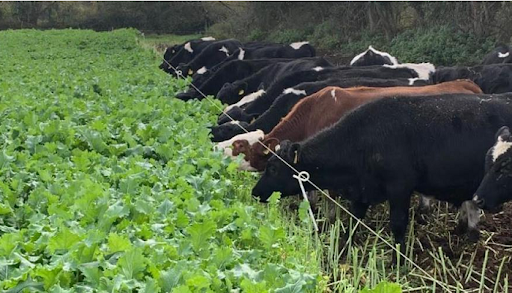
- Reduced livestock methane and nitrogen waste
- Increase in the value of biomass used for bioenergy
- May be cheaper than chemical synthesis, microbial synthesis, or purification from source organisms
Background
Gallates are plant-derived phenolic compounds widely used in cosmetics, pharmaceuticals, nutraceuticals, and food products, while arbutin is valuable due to its anti-oxidative, anti-inflammatory, anti-microbial, and anti-cancer effects. Conventional approaches to obtain them have relied on chemical synthesis or extraction from natural sources, but these methods are limited in efficiency.
Technology Overview
Researchers at Berkeley Lab’s Joint BioEnergy Institute have engineered plants for the sustainable production of gallates/gallate esters and arbutin by redirecting the shikimate pathway with microbial enzymes targeted to plastids.
For gallate, production has been demonstrated in Arabidopsis and tobacco, and is now being tested in sorghum to assess biomass yields and potential benefits in animal feed, including reductions in methane emissions and nitrogen waste in cattle. For arbutin, researchers achieved the first engineered production in plants, with tobacco successfully converting a precursor into hydroquinone, which was then naturally glucosylated by the plant’s own enzymes. Arbutin was recovered from leaves using aqueous extraction, and the precursor 4-hydroxybenzoate has also been validated in sorghum. This technology integrates synthetic pathways into crops to create a sustainable alternative to traditional production methods, while also advancing the sustainability of crops and bioenergy agriculture.
Development Stage
Proof of Concept
Inventors:
- Aymerick Eudes
- Sami Kazaz
Status
Patent pending
Opportunities
Available for licensing or collaborative research
